

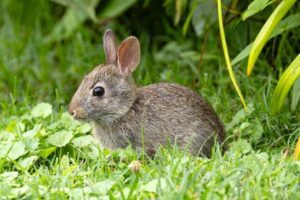
Kentucky Fish and Wildlife reminds the public to leave them be
FRANKFORT, Ky. (April 14, 2026) — Spring is here, and with it comes an abundance of young wildlife across the commonwealth. Newborn wildlife can be found in a variety of habitats, including urban neighborhoods. The Kentucky Department of Fish and Wildlife Resources urges the public to leave young wildlife undisturbed, even when they appear to be alone, and reminds landowners to watch for vulnerable wildlife when working on their properties.
Wildlife parents often leave their nest or young in a location they consider safe while they forage or hunt nearby, including places that are more developed. Young wildlife may appear to be left alone, but a parent is almost always nearby and will come back as needed to feed and take care of them. It’s normal for them to be away for hours, so don’t be alarmed if you come across a baby animal by itself.
It is important to remember that human intervention can cause unnecessary harm to young wildlife. Touching a baby animal can transfer human scent and draw attention to their location, potentially making the young more noticeable to predators.
“Every year, well-meaning people often step in to ‘rescue’ a baby wild animal that is alone and appears to be abandoned,” said Dr. Christine Casey, wildlife veterinarian with Kentucky Fish and Wildlife. “In reality, they were fine before someone with good intentions stepped in, trying to help in the wrong way.”
Instead, people can help baby wild animals thrive by:
- Observing them from a distance
- Securing trash cans and avoiding leaving food or other attractants outside
- Keeping children and pets away to prevent potential injury or leaving a scent trail that may attract predators
- Checking a property or site for the presence of young animals before mowing or commencing outdoor projects
Only state-permitted wildlife rehabilitators can care for orphaned or injured wildlife in Kentucky, and under state law it is illegal to remove young wildlife from the wild. A list of approved wildlife rehabilitators, searchable by county and animal type, is available on the department’s website. Kentucky Fish and Wildlife does not accept orphaned or injured animals.
Please be aware that additional regulations may apply to certain species or locations. In Chronic Wasting Disease (CWD) Surveillance Zone counties, wildlife rehabilitators cannot rehabilitate or attempt to rehabilitate any deer or elk due to the potential disease spread which is always fatal to these animals. Furthermore, deer or elk from these counties cannot be transported to a wildlife rehabilitator outside of the CWD Surveillance Zone.
Possessing wildlife is only permitted in very limited cases and is strictly regulated by state and federal laws, both to protect wildlife populations and public health. In Kentucky, it is illegal to keep high-risk rabies carriers as pets. Wildlife rehabilitators that are permitted to take in rabies vector species must follow strict safety protocols and adhere to additional regulations concerning the rehabilitation and release of species within the Enhanced Rabies Surveillance Zone.
Rabies vector species, including coyotes, bats, foxes, raccoons and skunks, are common carriers of rabies, which can cause symptoms in infected animals, such as uncoordinated movement (e.g., falling over, stumbling), aggression and excessive drooling. Rabies can be transmitted to people through bites, scratches or saliva entering the eyes, nose, mouth or open cuts. If left untreated, rabies is fatal.
If a person is bitten by a wild animal, they should immediately contact either their healthcare provider or their county public health department for guidance. To protect pets from rabies, ensure they are up to date on vaccinations and prevent contact with wildlife.
Kentucky Fish and Wildlife encourages the public to report animals showing signs of rabies by calling 1-800-858-1549 or reporting observations online. For more information on caring for injured and orphaned wildlife, visit the department’s website at fw.ky.gov.